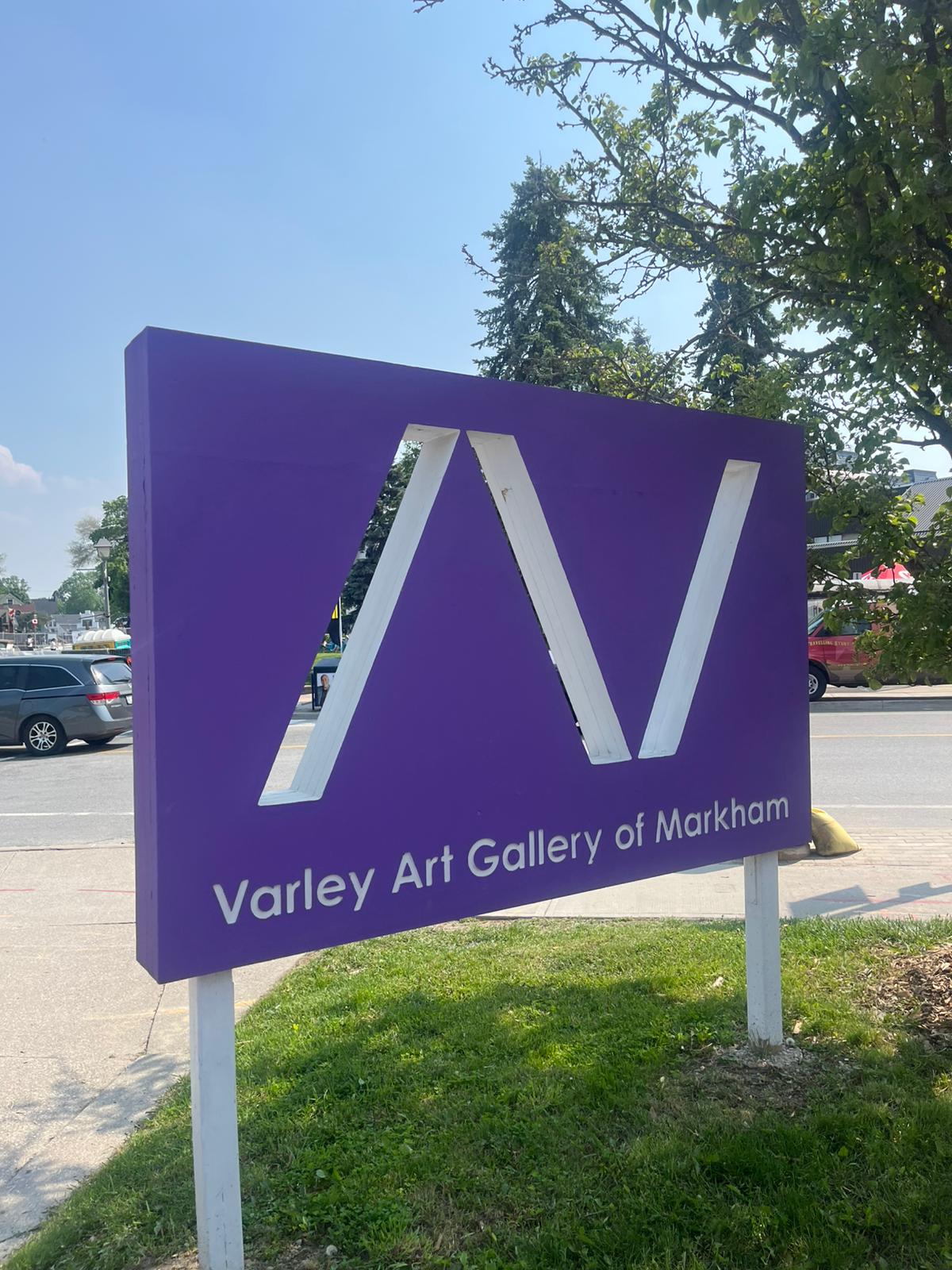
Varley Art Gallery of Markham Service Audit
Project Overview
The Challenge:
Varley Art Gallery of Markham is facing challenges in optimizing their service flow, leading to potential friction for both visitors and employees. These problem areas can negatively impact both the visitor engagement and the gallery's business goals.
The goal:
My role is to conduct a service audit of Varley Art Gallery of Markahm to identify core problems across different employee and visitor touch points. The aim is to provide insights that will inform improvements to the gallery's overall service design.
Research & Analysis
Beyond The Exhibit: What Shapes the Visitors Experience?
To understand the key problem areas of Varley Art Gallery of Markham, our team conducted a multi phase service audit by starting of with analyzing the current service flow from the perspective of employees and visitors.
Foundational Research
We began our research began using three methods:
Desk Research: We analyzed google reviews and social media presence to understand current user perception of the gallery.
Competitive Analysis: We benchmarked the gallery against institutions like McMichael Canadian Art Collection and Evergreen Brick Works. With the goal of finding best practices, identify opportunities, and inform our strategic decision.
On-site Interviews & Observations: We spoke with art gallery managers, front of house staff, and visitors. This allowed us to understand business goals and observe user behaviour in real-time.
Data Synthesis & Analysis
Following our research, we synthesized the data to create a set of deliverables that will help visualize and guide our recommendations
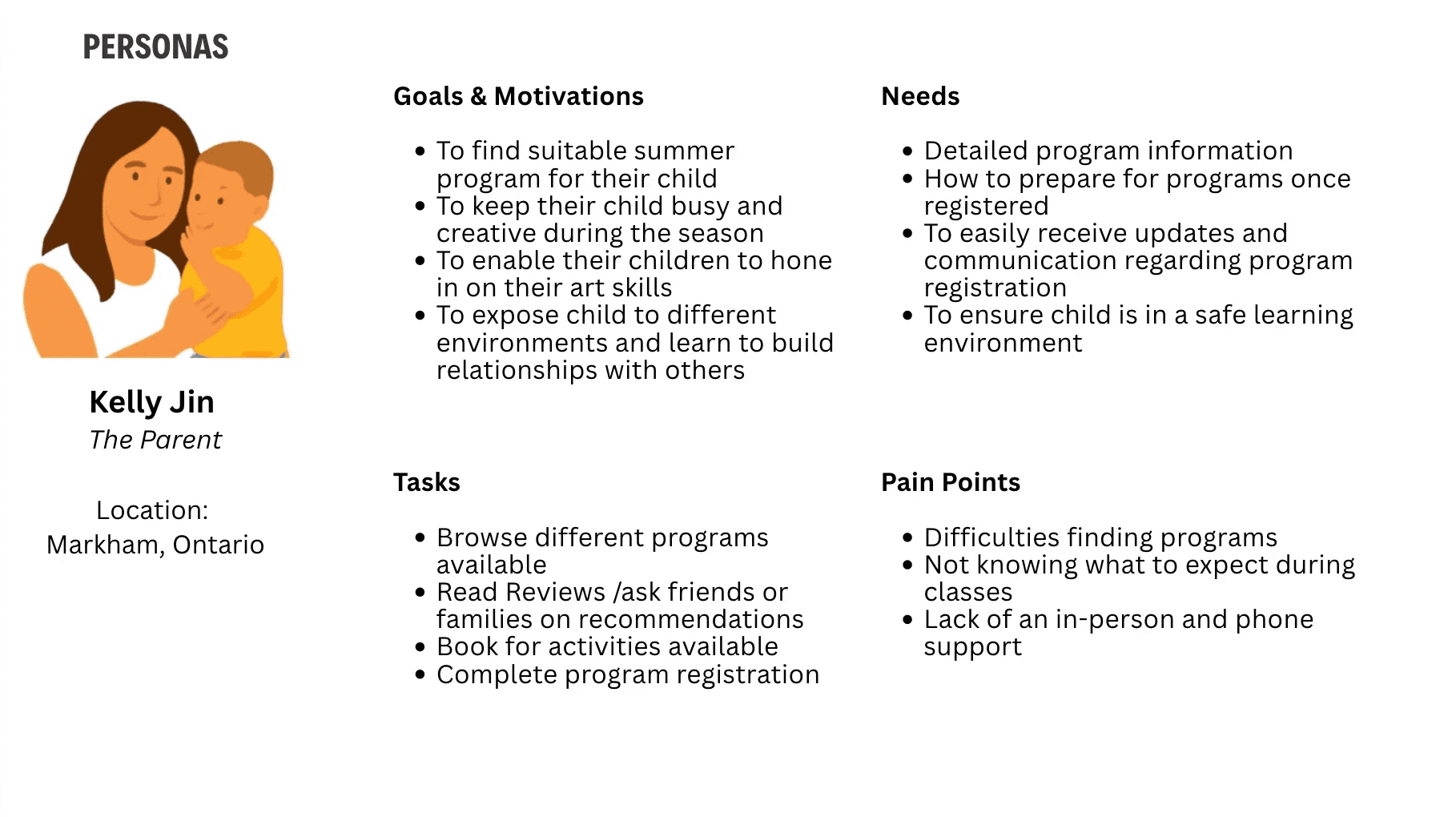
User Personas & User Journeys to identify the common individuals that interact with the gallery and understand the touch points and emotions encountered by them. Our team developed 5 distinct user personas that offer a basis for understanding the needs and challenges they face.
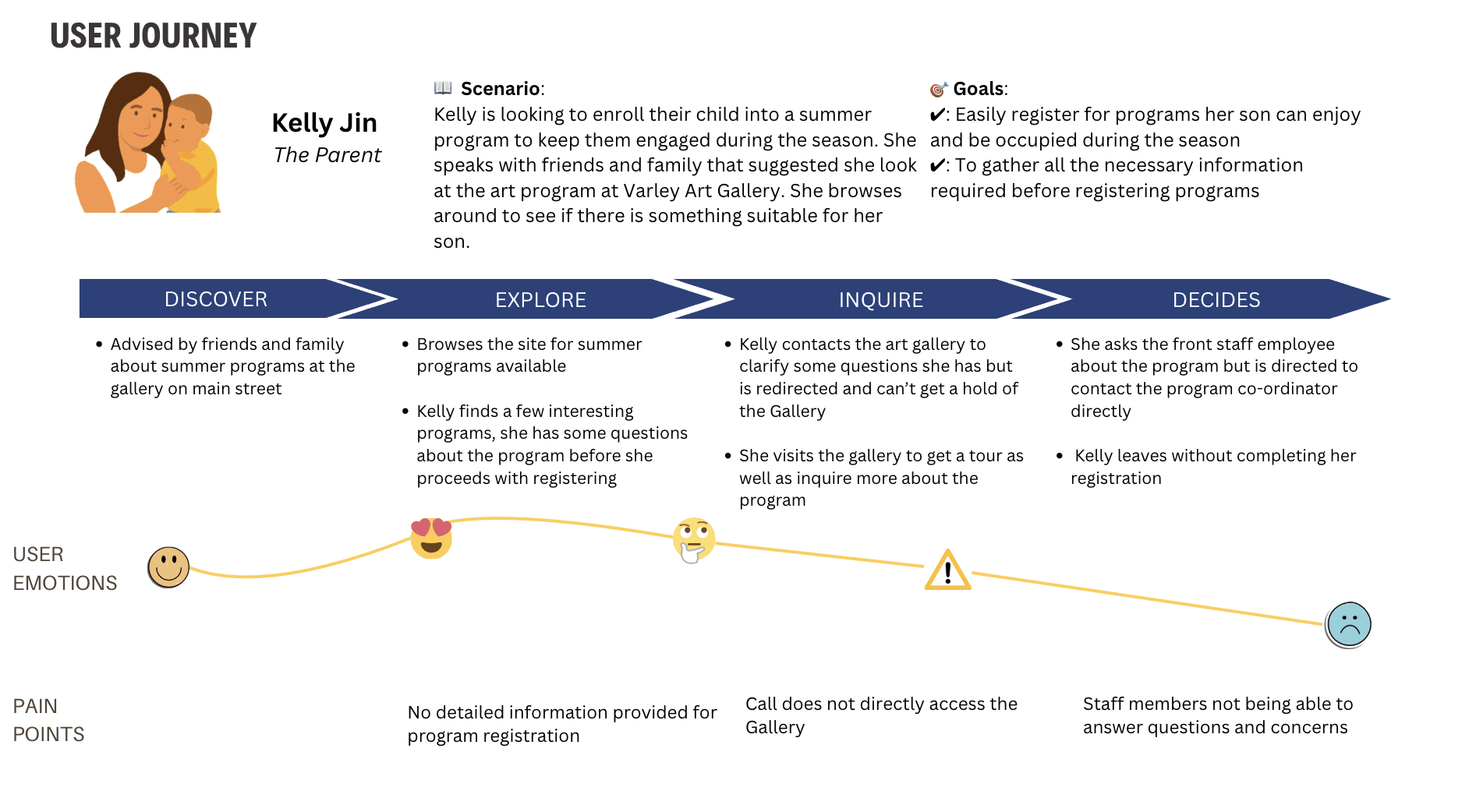
Stakeholder map & Service blueprint were mapped out to illustrate the relationships between all key players and to map the end-to-end service flow, highlighting opportunities for improvement
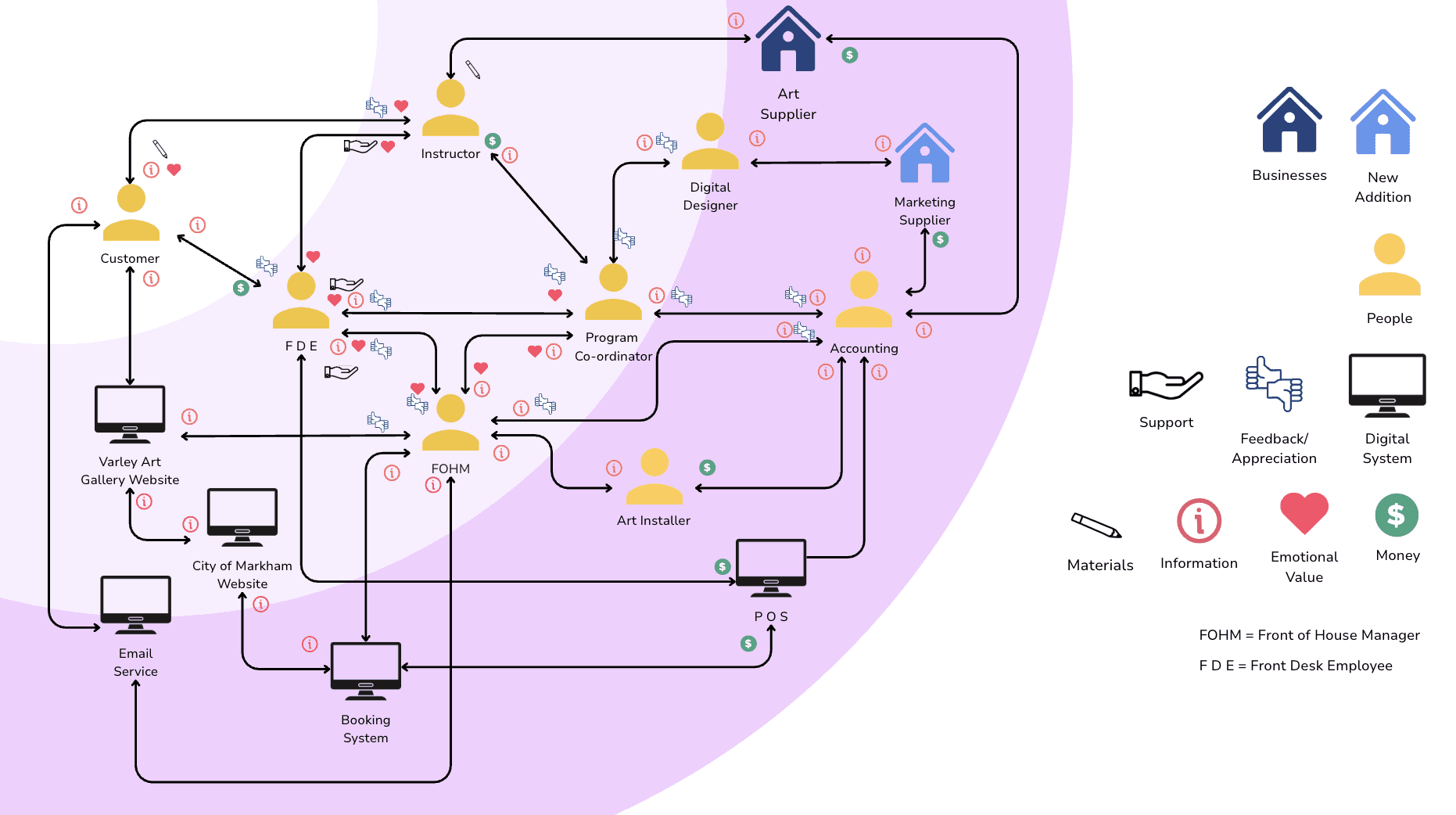
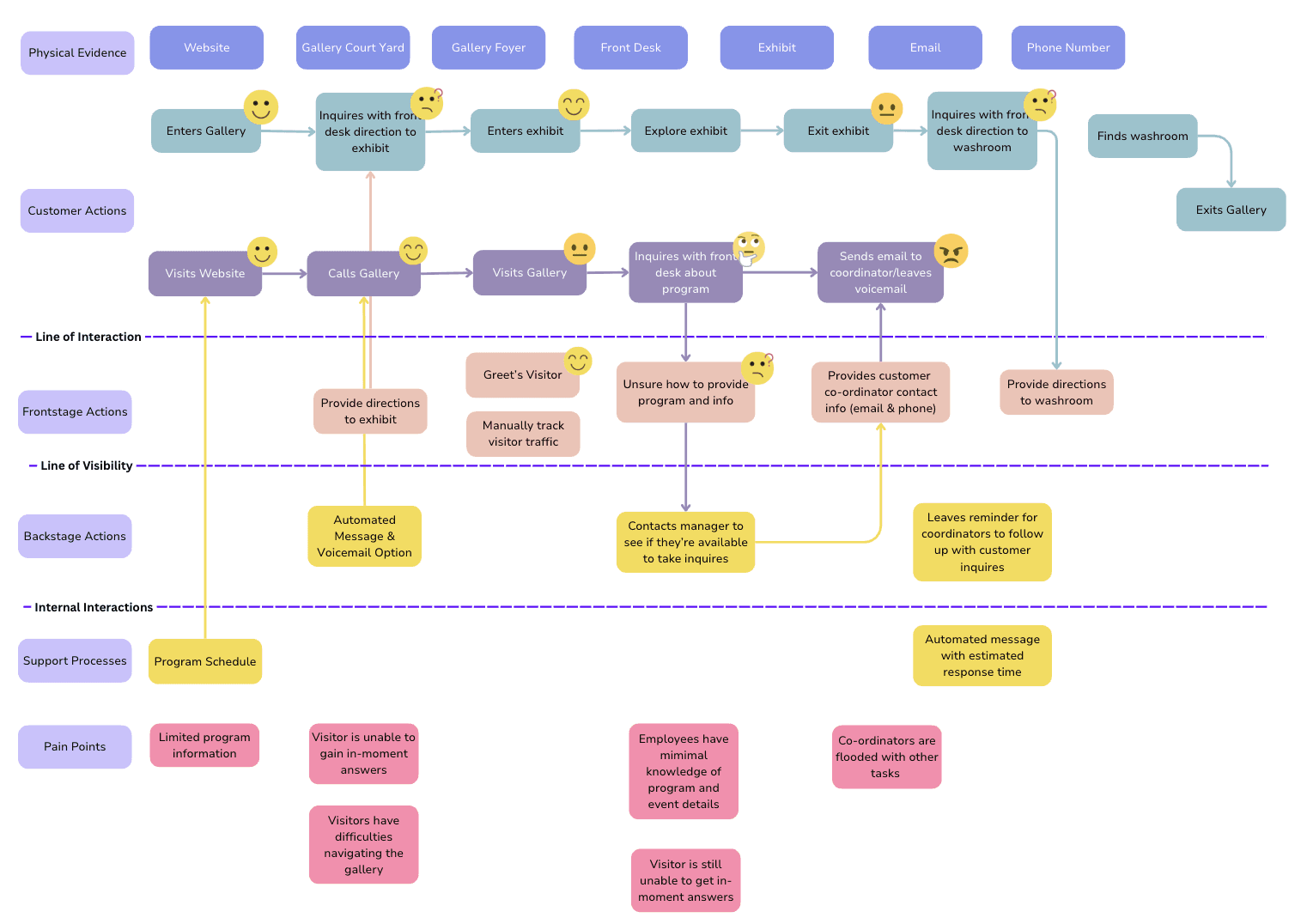
Click here to view user personas, journey maps, stakeholder map, and service blueprint
Findings
Beyond Passive Viewing: The Shift from Observation to Engagement
Through our service audit, we discovered three main problem areas that prevent customers from engaging with the gallery as intended and impacting the business goal of increasing program participation and revenue
Users have low awareness of service offerings
After synthesizing our data to identify systemic opportunities. The first critical problem area we found was that users have low awareness af service offerings.
Evidence: We discovered this from two key findings: through interviews, we found that, alongside donations, the gallery’s main profit source comes from programs and events. However, through our observations, we noticed that users were passively browsing, often spending time in the courtyard at tables rather than engaging as the gallery intended.
Why does this matter?
Low visibility of offerings affect profits and participation rates.
More program attendees can increase funding opportunities for more artistic development.
Employees have limited knowledge on service offerings
We found employees were not adequately trained to support visitors with questions about events and programs
Evidence: Through our interviews with employees, they've shared that they are not trained to support visitors with questions related to events and programs, often directing customers to contact the program co-ordinator. Employees reported a lack of training on gallery offerings beyond their basic job duties of monitoring the gallery through the cameras and providing customers with directions.
Why does this matter?
Employees are not trained to support customers with events & program questions reducing conversion and service offering awareness.
Employees may feel like they're not learning the skills and knowledge to grow in their position which can decrease employee morale and potentially increase turn over.
Users have difficulties navigating the space within the gallery
Although the gallery has signage for exhibits, restrooms, and a coat check, visitors frequently ask employees for direction
Evidence: Through our observations we found that, although there are signages for the gallery, washrooms, and an area to put belongings, visitors frequently asks front desk employees
Why does this matter?
Employees are taken from growth and development opportunities, like engaging with visitors and promoting programs. It also creates a less than seamless experience for visitors, who have to interrupt their visit to ask for help
Recommendations
Our findings pointed to a need to improve employee empowerment and visitor awareness. I propose a strategy that tackles these issues by focusing on two key areas:
Increase employee knowledge & awareness
These recommendations focus on empowering employees with the knowledge they need to be effective ambassadors of the gallery
Implement weekly team meetings: using this time to discuss goals, and focus on upcoming programs and events, address common visitor questions
Introduce shadowing & mentorship: have front-of-house staff shadow the program or event-coordinator to gain a deeper understanding of the gallery's offerings and booking process
Create a comprehensive FAQ: Develop an easily accessible resource with answers to frequently asked questions about the gallery, it's programs, and events
Increase the awareness of service offerings
Our team wanted to make use of visual elements in the courtyard and drive up the interest of people sitting outside eating, resting, or waiting for family members. These solutions can be used in tandem to ensure users who only stay within the courtyard can be made aware of the gallery offerings available.
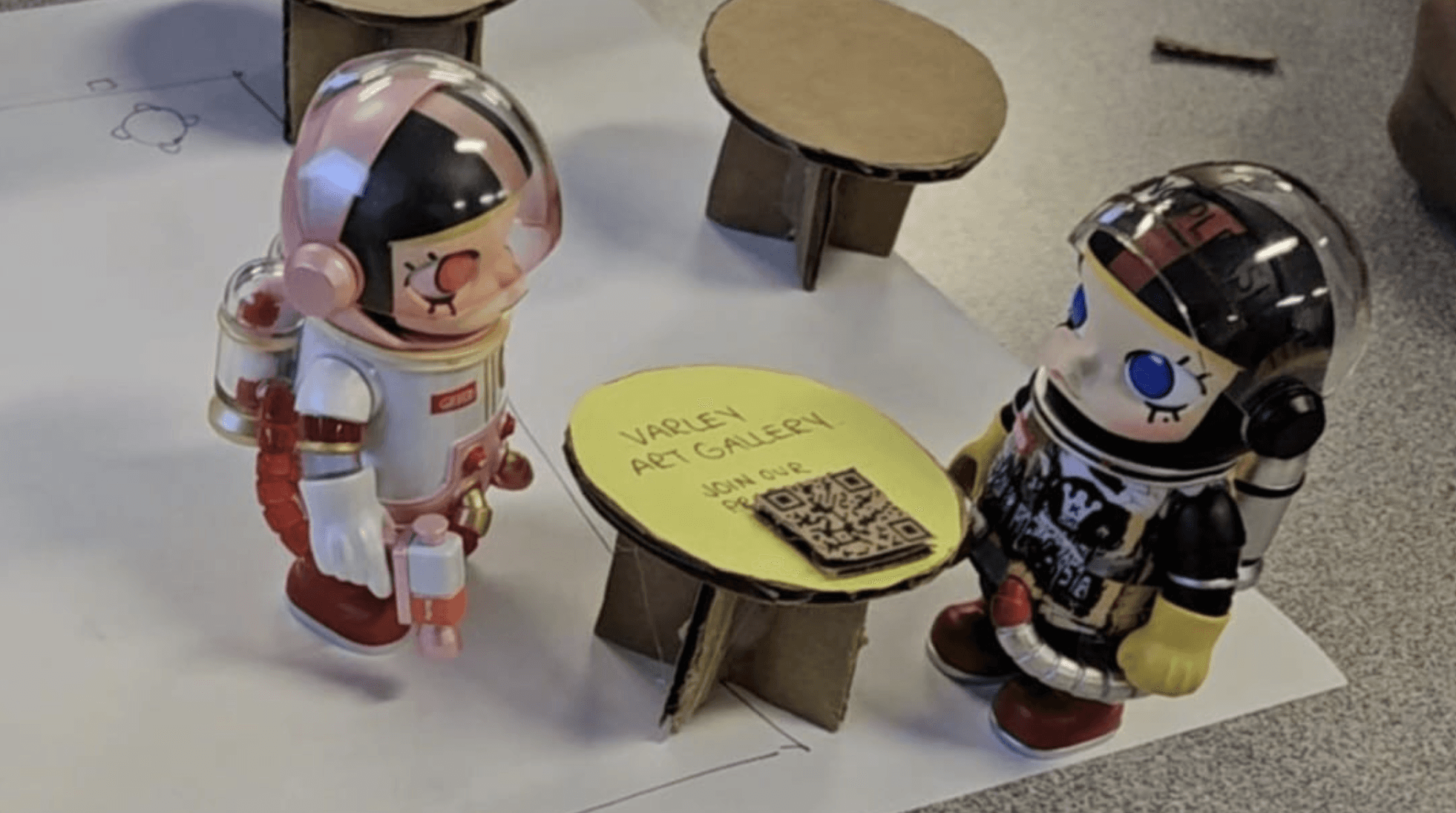
Iteration 1 involves having scannable QR codes on the table that ensures customers can view at a glance all the offerings the gallery has, prompting them to go in to discover more.
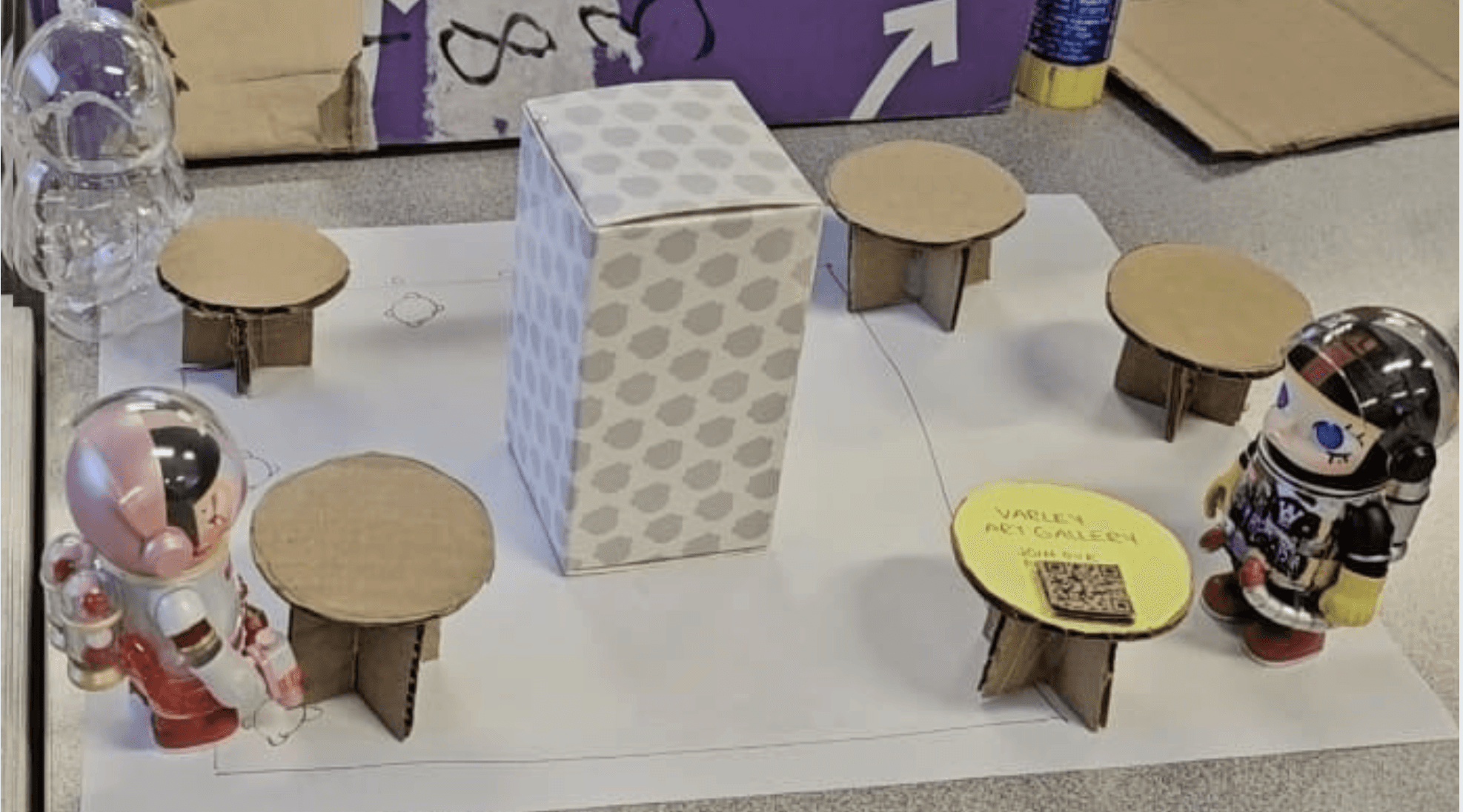
Iteration 2 involves placing an interactive art pieces from programs in the courtyard with some notes to make users aware of the fact that these are products from programs that happen in the gallery.
Iteration 3 involves community partnership & promotions with stores and shops in the area to promote programs and events. This can:
Increase partnership and support to local businesses (can be do catering)
Be used for hosting local business events - increase awareness
Measurable Outcomes
QR Analytics
Measure Performance: Total scan count, conversion rates (e.g., clicks to program sign-up or info pages) and engagement levels
Staff Observation
Use of intake form:
Number of visitors engaging with displays or newly positioned signage
Number of directional or service-related questions asked at the front desk
Service Engagement
Number of users who enrol in a program after viewing signage or scanning QR codes
Comparison to enrolment rates before implementing the changes
Reflection & Key Takeaways
This project taught me that with service design, there is never a right or wrong answer. Solutions will go through different iterations to find the best fit for the service.
When my team and I began this project, I was hesitant with competing an audit of an art gallery, as it's a space i'm not too familiar with. I wondered what type of improvement can we really do? After conducting our service exploration, we uncovered a number of problem areas, that I would have never thought an art gallery would experience.
This highlighted the benefit of completing a service audit, it allows us to uncover hidden problem areas that's beyond what can be seen on the surface.